I am a Ph.D. student at MIT. I earned my Master’s degree (S.M.) from MIT (2022-2024) and completed my undergraduate studies at IIT Kanpur in 2022, double majoring in Electrical and Chemical Engineering with a minor in Computer Science.
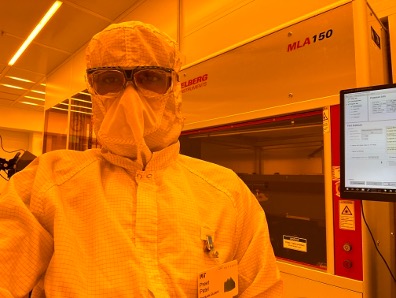
My research integrates Engineering, Neuroscience, and Applied Physics, specializing in micro and nanofabrication, nanoelectronics, optical systems, and biomedical applications. I combine these interdisciplinary skills to pioneer advanced bioelectronic technologies with potential applications in neuroscience and medicine.
Outside the lab, I enjoy playing sports such as badminton and squash.
Research Interests
Education
Master of Science (S.M.), MAS, 2024
Massachusetts Institute of Technology
Bachelor of Technology, Major in Electrical Engineering and Chemical Engineering, Minor in Computer Science, 2022
Indian Institute of Technology Kanpur
.png)
Skills
Research
Wireless Nanoscale Optoelectronics for Precision Neural Control
My research focuses on developing advanced neuromodulation technologies that overcome fundamental limitations in controlling neural activity. While current approaches like deep brain stimulation and pharmacological interventions have made significant contributions to treating neurological disorders, they face challenges in achieving cellular precision, temporal control, and minimally invasive delivery.
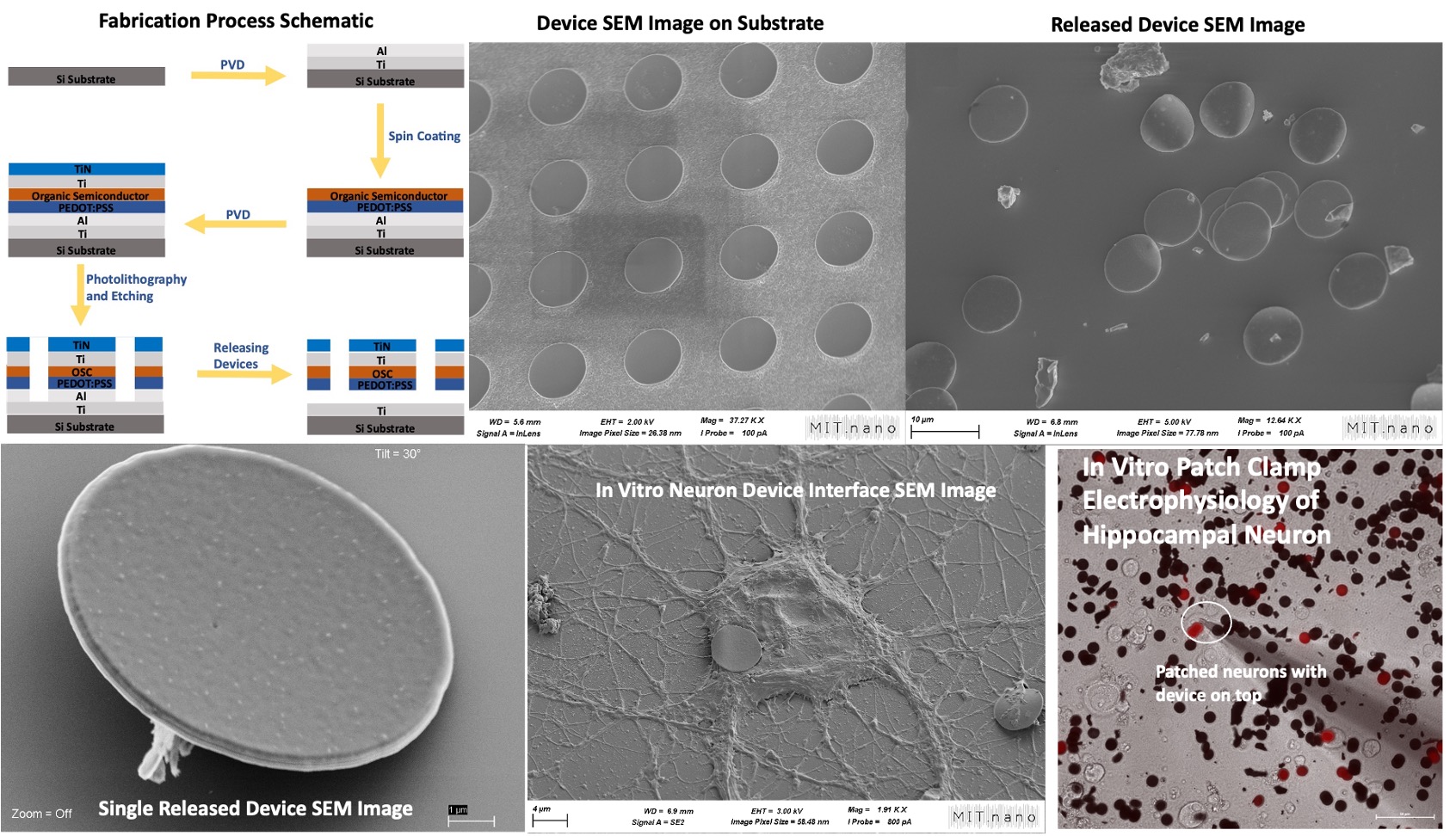
I've worked on engineering a novel class of microscale wireless electronic devices that can modulate neuronal activity with unprecedented precision. These subcellular-scale platforms (approximately 1/10th the diameter of a human hair) leverage photovoltaic principles to convert light into localized electrical fields that can influence neural membrane potentials.
Through careful materials selection and innovative device architecture, I've achieved:
1) Wireless operation that eliminates the need for implanted hardware or batteries
2) Cellular-level precision targeting specific neurons without affecting surrounding tissue
3) Millisecond-scale temporal control enabling precise manipulation of neural activity
4) Bidirectional modulation capability for both increasing and decreasing neural activity
5) Biocompatible interfaces verified through cellular viability testing
This technology represents a significant advancement toward minimally invasive neuromodulation with applications ranging from treating epilepsy and chronic pain to enabling fundamental neuroscience research. My approach merges concepts from semiconductor physics, materials science, and neurobiology to create platforms that could transform how we interact with neural circuits.
Note: Detailed specifications and performance metrics are currently confidential pending publication.
Radio Frequency Magnetic Field System for Cancer Therapy Development
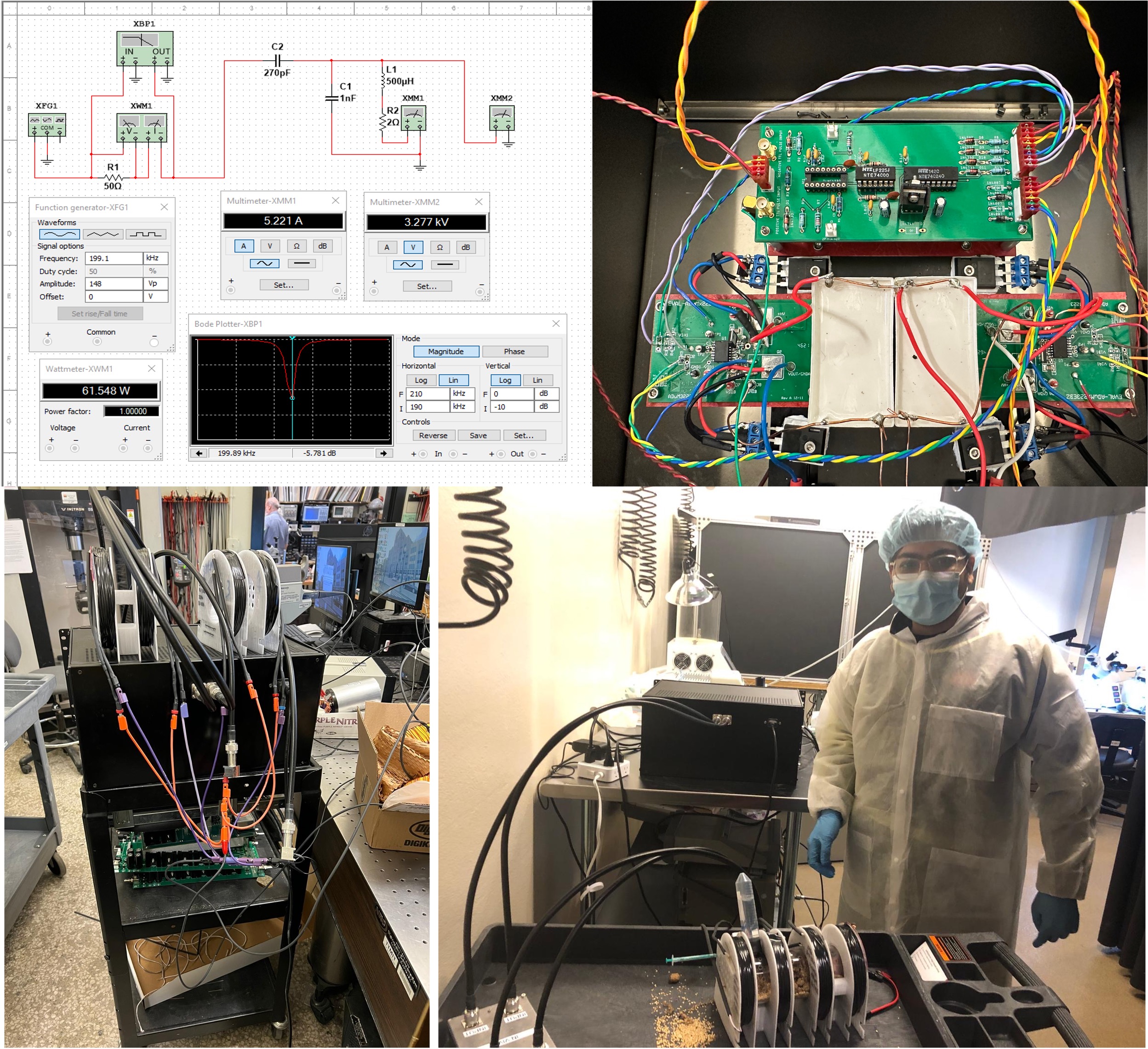
I designed and fabricated a resonant 200 kHz radio frequency magnetic field generation system for preclinical cancer treatment studies in mice. The apparatus features an optimized cylindrical coil configuration producing uniform axial fields (2-10 mT) within a mouse-scale workspace, which I engineered alongside custom matching circuits and push-pull amplifiers to drive the system at its 200 kHz radio frequency resonance. This modular design operates at resonance for enhanced power efficiency while maintaining safe physiological conditions for the animal subjects. The system permits longitudinal studies in freely moving subjects, bridging the gap between benchtop experiments and clinical-scale applications. Key innovations include balanced coil geometry optimization for field uniformity, resonant operation for reduced power consumption, and integrated animal habitat considerations - advancing beyond reference designs by enabling sustained in vivo experimentation with therapeutic field parameters. This versatile platform supports various radio frequency magnetic field applications and investigations of therapeutic effects in murine cancer models.
Other Projects
Wavefront reconstruction for focusing light through scattering media
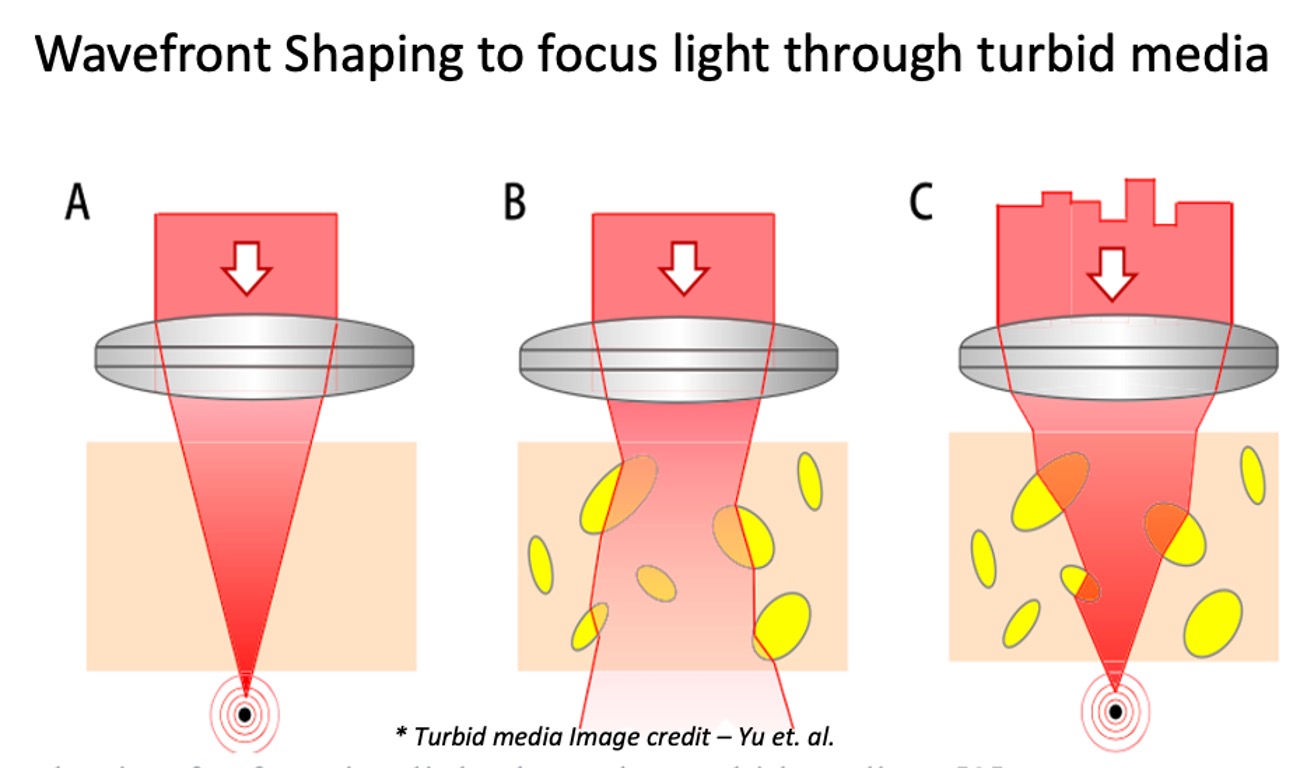
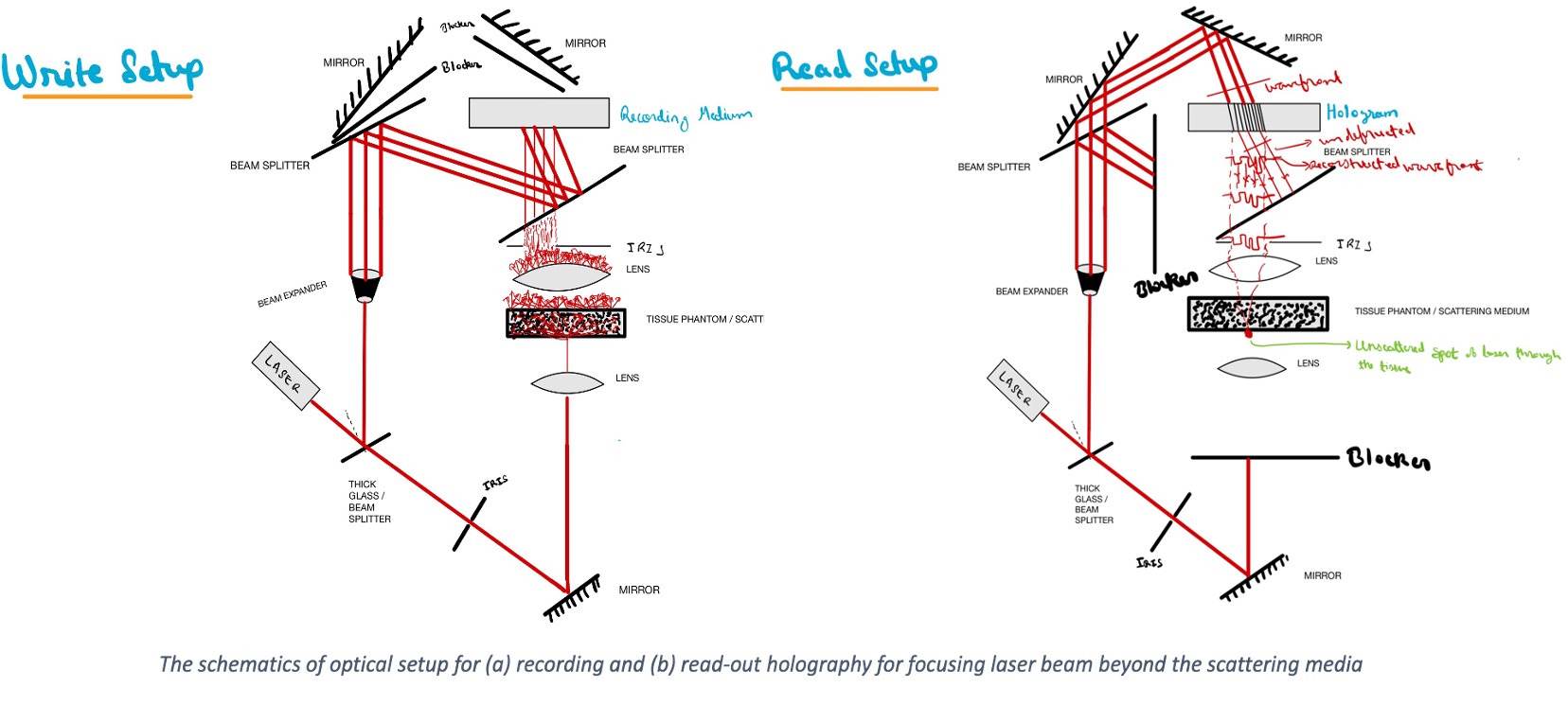
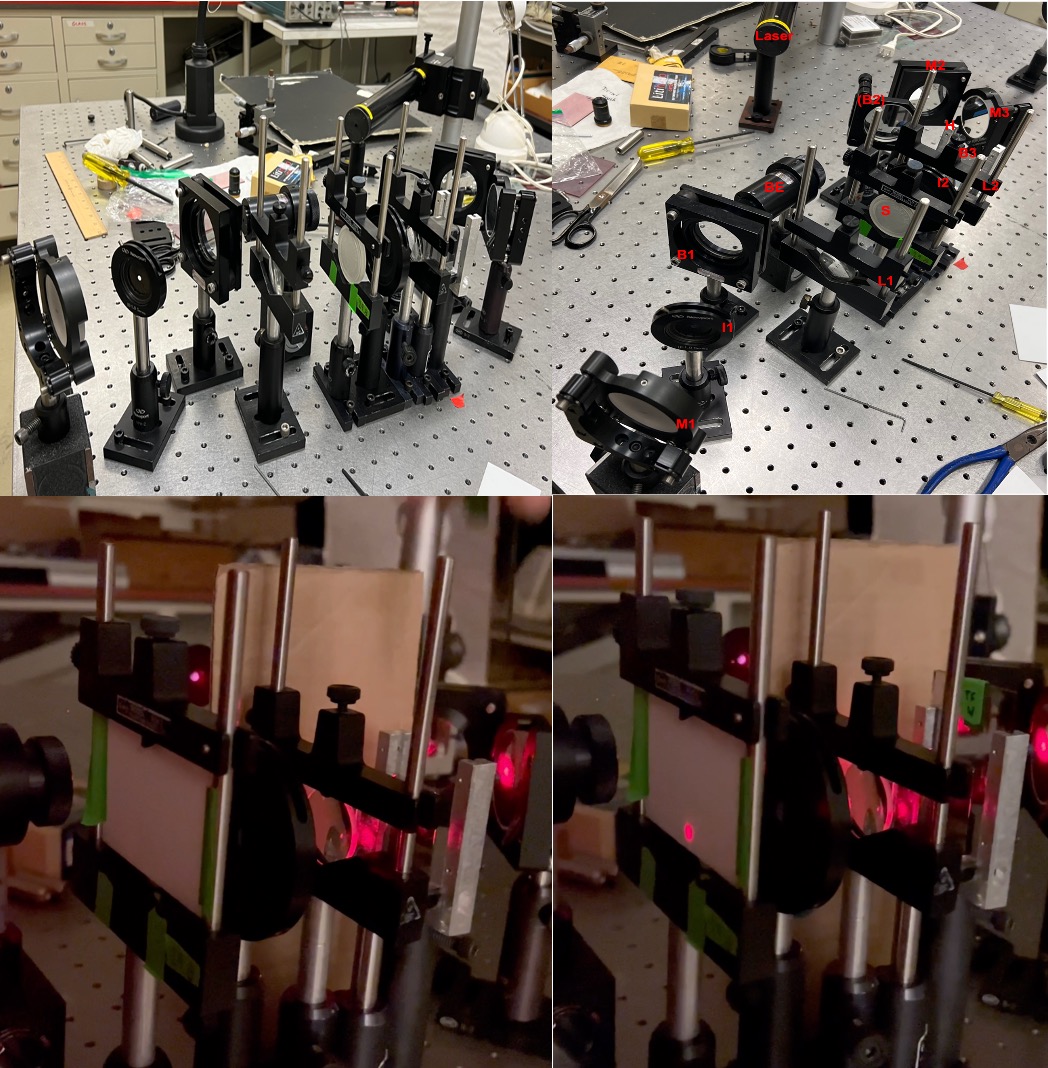
Focusing light into turbid medium such as biological tissue can be beneficial to biological application since sufficient intensity of light in tissue can be used in imaging, diagnosis, and stimulation. As a preliminary study for focusing light into tissue, I designed the optical setup that can record and reconstruct the wavefront of scattering light using holographic principle. We have tested the functionality of the designed system using a tissue phantom which is time invariant system. As a result, we have successfully focused light into the scattering medium using properly recorded holographic medium. Although the system is bulky and only for time- invariant scattering medium the experimental result shown in this study is promising for focusing light into time-variant biological tissue.
Custom Microfabricated Devices for Biomedical Research Applications
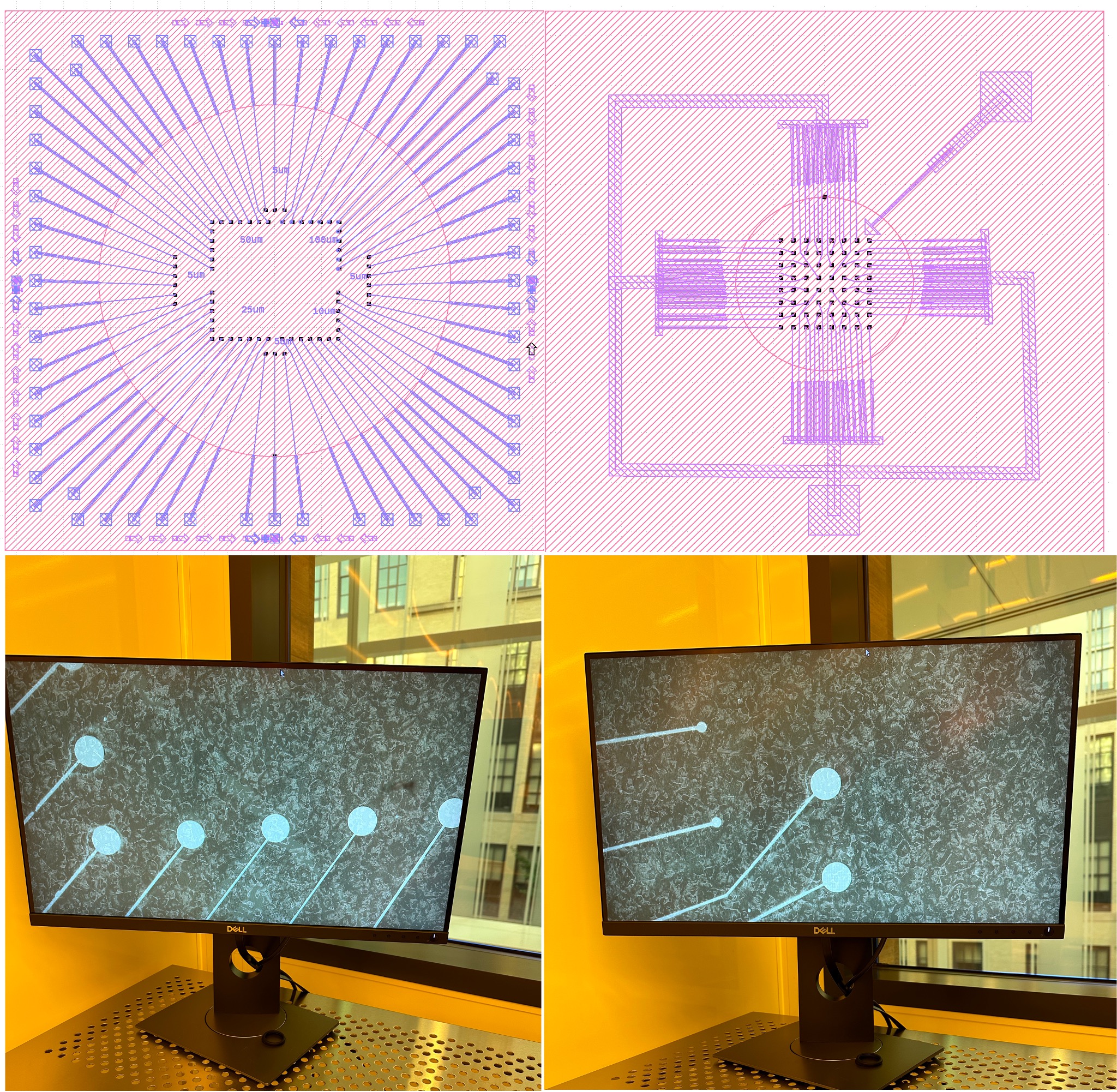
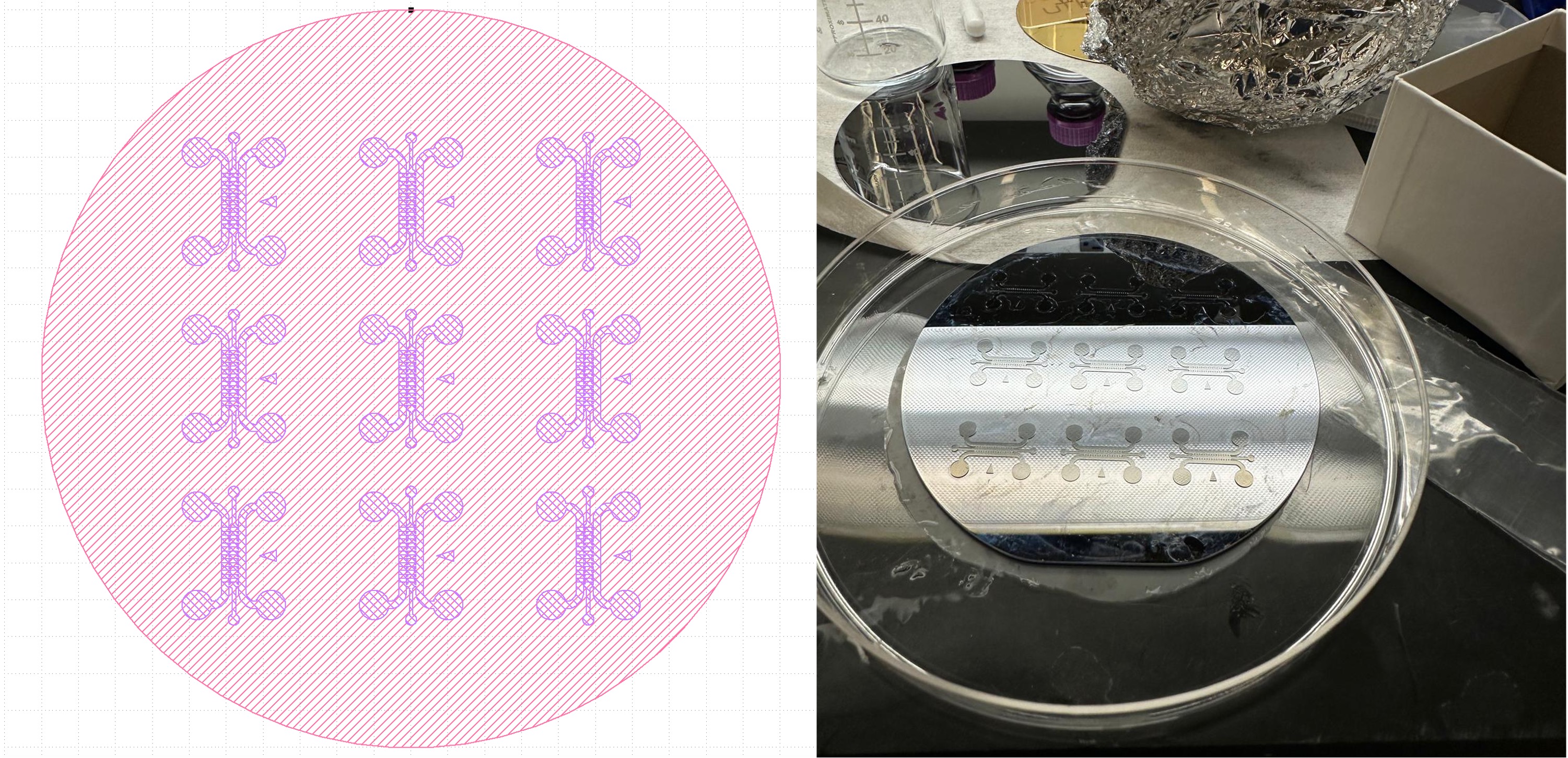
My expertise in micro/nano fabrication extends beyond my primary research focus, as demonstrated by these specialized devices created for advanced biomedical applications. The images showcase my custom-designed microelectrode array (MEA) for extracellular electrophysiology recordings, featuring precise electrode layouts tailored for neural signal acquisition and stimulation. These MEAs integrate precision-engineered electrode patterns for multi-channel recording capabilities, supporting detailed studies of neuronal network dynamics. Also displayed is my fabrication of a blood-brain barrier microfluidic chip based on published research, designed with dual-chamber architecture and optimized flow channels that allow for co-culture of relevant cell types to model the BBB. This microfluidic platform enables evaluation of barrier integrity, drug transport studies, and investigation of BBB dysfunction in neurological disease models, further demonstrating my ability to combine microfabrication techniques with biological applications to create functional research tools.